

Things to do in Mbale and around Mount Elgon run from four day treks to the Wagagai caldera down to a morning on a coffee farm, with waterfalls, rock art and savannah wildlife in between. Most of these trips start and finish at our door. Mbale is the highland town at the foot of the mountain, with markets, coffee shops and short walks of its own, set out on our things to do in Mbale page.
The short list. Mount Elgon National Park for trekking and forest walks. Sipi Falls for waterfalls, coffee and abseiling. Wanale Ridge for a half day hike within sight of town. Then Nyero rock art, Pian Upe for savannah wildlife, Tororo Rock, Sisiyi Falls and the Source of the Nile at Jinja as trips further out.
Jump to what you came forOn the mountain: the national park, the caldera trek, Kapkwai forest, birding, photography. On the slopes: Sipi Falls, abseiling, coffee tours, Sebei and Bagisu culture, Sisiyi Falls, mountain biking. Out from Mbale: Wanale Ridge, Tororo Rock, Nyero, Pian Upe, Mount Kadam, the Source of the Nile, then how to order the days.
Trek Mount Elgon National Park

Mount Elgon National Park covers 1,121 square kilometres on the Ugandan side of an extinct volcano, and a trek here is the headline trip from Mbale. Wagagai, the summit, stands at 4,321 metres and sits entirely inside Uganda. Uganda Wildlife Authority runs the park, and the upper slopes on both sides of the border form a UNESCO biosphere reserve. Parties can go days on the high trails without meeting anyone else, which is not something said about Kilimanjaro or Mount Kenya. You do not have to climb to use the park, since the lower forest trails work as a morning out. Entry and trekking fees are set by Uganda Wildlife Authority, so confirm the current tariff when you book.
Hiking Mount Elgon to the Caldera
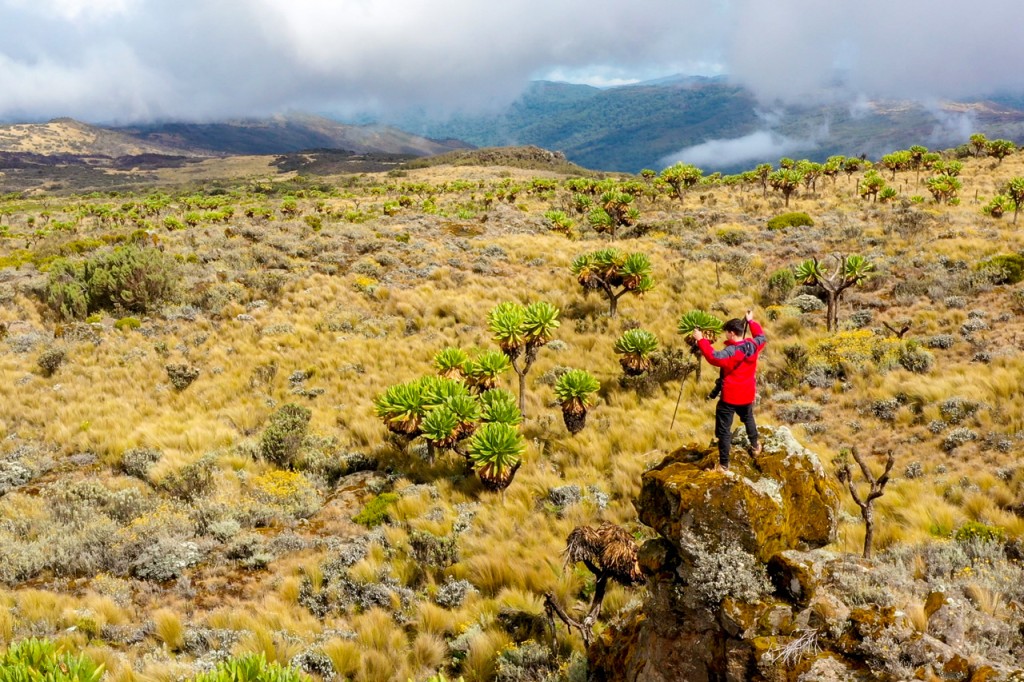
The full Mount Elgon hiking route ends in the caldera, a collapsed crater of roughly 40 square kilometres ringed by peaks. Three trails go up. Sasa, from Budadiri, is the shortest and by some way the hardest, throwing about 1,600 metres of ascent at you on the first day alone, with the round trip run over four days. Piswa is gentler and longer. The Sipi trail begins at Kapkwai around 2,050 metres. Elgon is the coldest of Uganda’s mountains, which catches people out at camp. Porters carry kit and do the cooking, yet they do not supply the food itself, so that is for you and your operator to sort beforehand.
Hiking the Three Sipi Falls

Three waterfalls drop off the northwestern slopes at Sipi, and hiking all of them on one circuit is the standard half day out from Mbale. The lowest is the tallest and the one in every photograph. The middle fall has a cave behind the water that you can walk into. Published heights for each drop disagree wildly, so distrust any single figure. Two practical things. In the wet, red clay builds up on boots in heavy lumps and the descents turn slick, which is where waterproof boots earn their keep. And unofficial guides wait along the road at Sipi, so settle who is walking with you and on what terms before you start.
Abseiling at Sipi Falls

Abseiling at Sipi Falls runs down the cliff beside the main fall, and it is the only place in Uganda where the activity is set up commercially. Operators on site supply the rope gear, the helmet and an instructor, and no previous experience is asked for. You go over the lip backwards, then walk yourself down the wall through the spray. You will get wet. Wear something that dries, leave your phone with somebody at the top, and book a day or two ahead in the dry months because slots fill up. It is run by third party operators, not by us.
Coffee Tours on the Mount Elgon Slopes

Coffee tours on the Mount Elgon slopes are the quiet favourite among our guests. Arabica does well on volcanic soil at this altitude, and the farms above Sipi and around Kapchorwa are mostly smallholdings of a few acres. A tour walks you from the tree through picking, pulping, washing and drying, then usually ends with beans roasted in a pan over a fire and ground by hand while you wait. Main harvest falls in the second half of the year, when the trees carry red cherry, though farms run tours all year. Go in the morning. Afternoons cloud over and the walking gets hotter.
Birding Tours on Mount Elgon
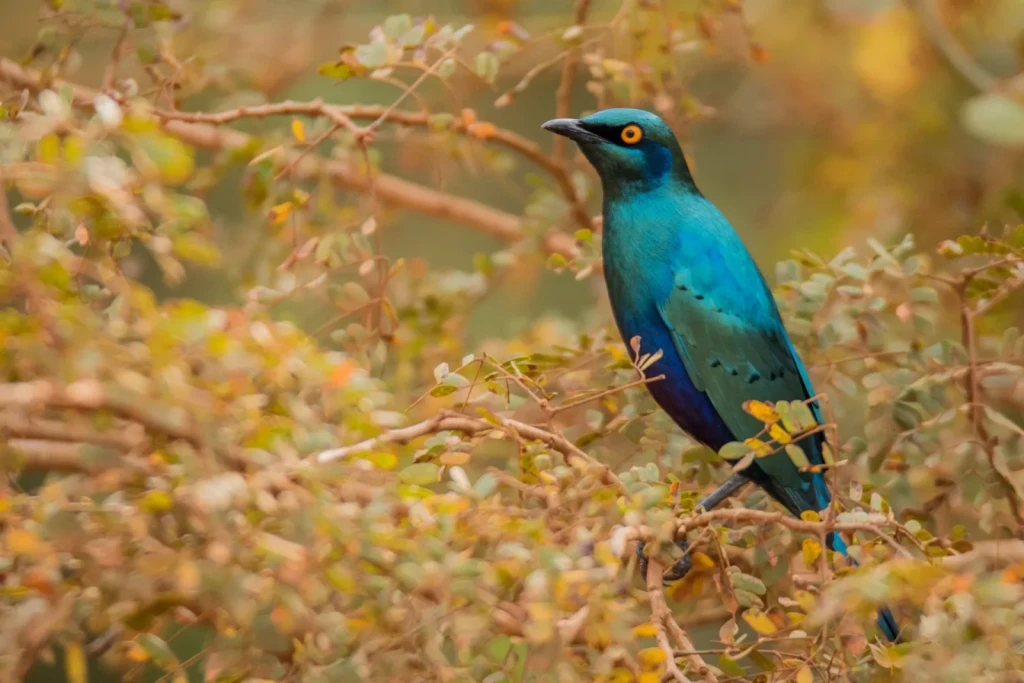
Uganda Wildlife Authority records over 300 bird species in the park, around 40 of them with restricted ranges, so birding tours on Mount Elgon reward a slow pace. Lammergeyer work the cliffs, Jackson’s francolin sits in the heath, the Tacazze sunbird takes the flowering shrubs, and there is a broad spread of forest species lower down. What makes it work is the banding of habitat: farmland, then montane forest, then bamboo, then open moorland, each holding a different set of birds. Kapkwai suits a morning if you are not going high. Nothing is guaranteed, and the good sightings come to whoever stopped walking first.
Sebei and Bagisu Cultural Tours

Two communities share this mountain, and a cultural tour with either is straightforward to set up. The Bagisu, who call themselves Bamasaba, farm the Ugandan slopes around Mbale. The Sebei, or Sabiny, live north of them around Kapchorwa. The Bagisu initiation rite, imbalu, is held at Mutoto near Mbale in even numbered years and opens in August with days of drumming, dancing and large crowds. It is a serious ceremony rather than a show, and visitors are expected to behave that way. Outside those years, village visits, food, music and craft work carry on. Ask before you photograph anybody. It costs nothing and it changes how the day goes.
Hiking Wanale Ridge from Mbale
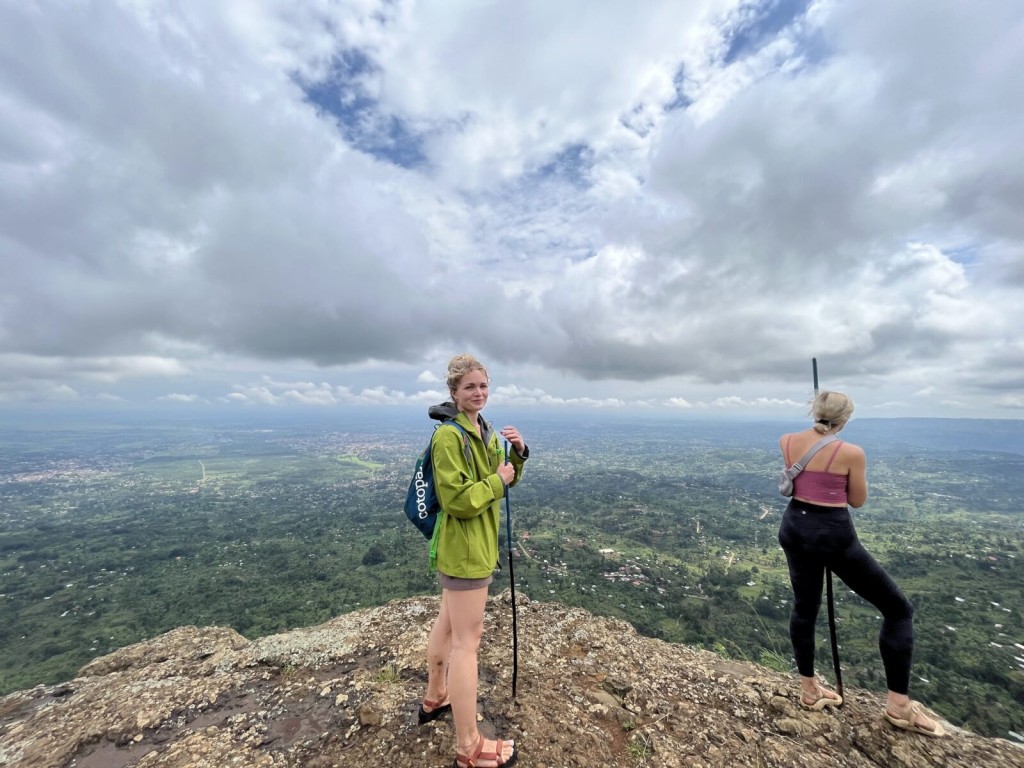
Wanale Ridge is the escarpment you stare at from town, and hiking it is the closest thing to a proper walk that does not eat a whole day. The trail climbs past streams, homesteads, banana gardens and limestone outcrops to a lip with Mbale spread out below. Reckon on about an hour to reach the start from us, then a few hours of walking. Start early. Cloud builds over the ridge through the middle of the day, and the view you came for is the first thing it takes. Take a local guide, because the paths braid and the wrong one costs you an hour.
Climbing Tororo Rock
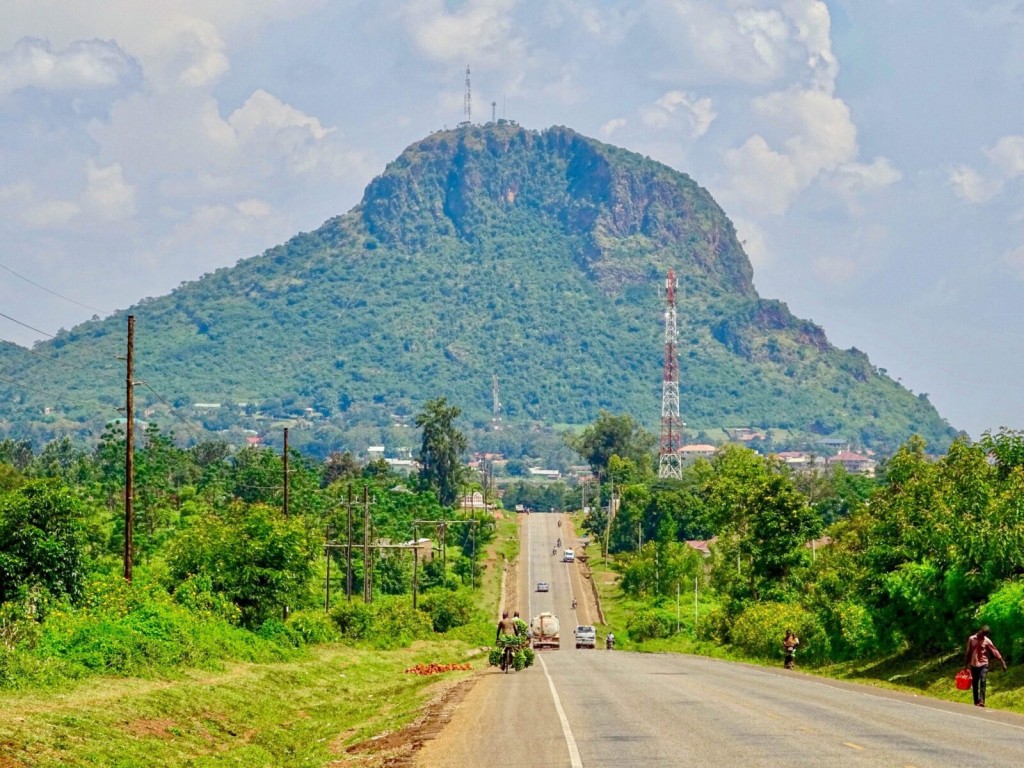
An hour or so south, climbing Tororo Rock buys the best view in the region for the least effort. The rock is a volcanic plug standing about 300 metres above the town, with the summit at roughly 1,483 metres. Most people are up inside the hour. The last steep pitch is handled by four fixed ladders, which sound worse than they are, and from the top you look east into Kenya and north towards Elgon. It works better as a stop than a destination: an obvious leg stretch for anyone driving to or from the Malaba border.
Touring the Nyero Rock Paintings
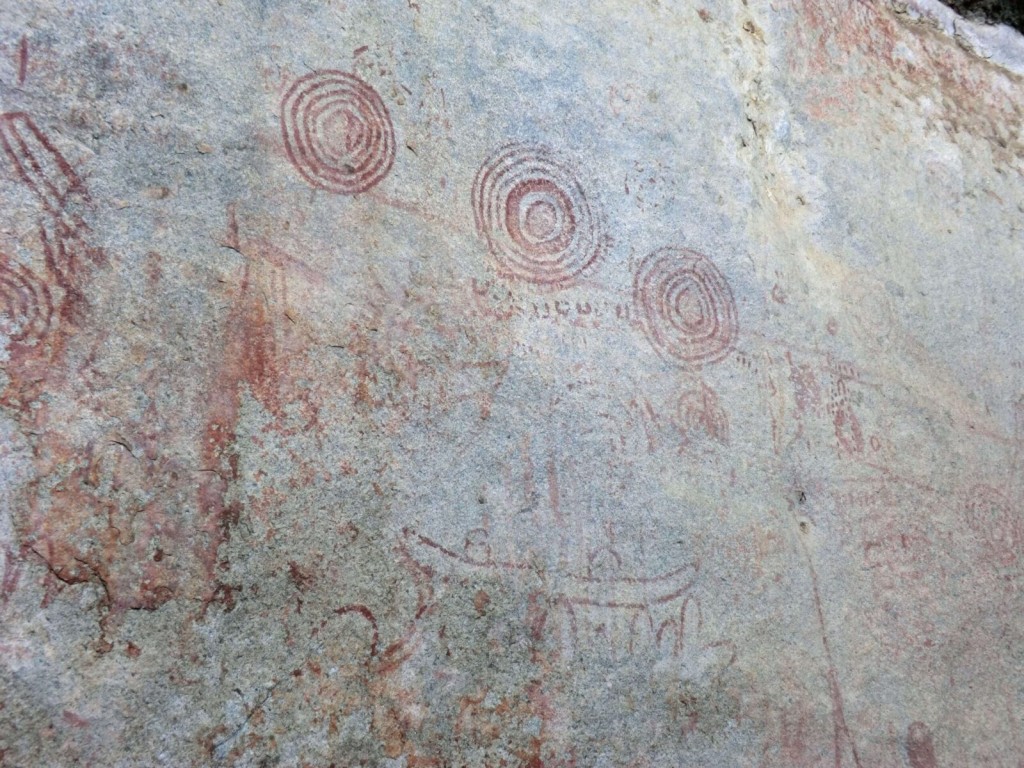
Northwest of Mbale near Kumi, the Nyero rock paintings sit across six rock shelters, and touring them takes a couple of hours with a site guide. The best known panel is a set of red concentric circles on pale granite under an overhang. Archaeological and genetic work attributes the art to ancestors of the Batwa. Dating is where honesty matters: published estimates run from roughly two thousand years old to figures several times that, and the confident single number quoted on most travel pages is not supported. Nyero is rated the finest of around twenty rock art sites in eastern Uganda. Carry water, since there is almost no shade.
Day Trips to Sisiyi Falls
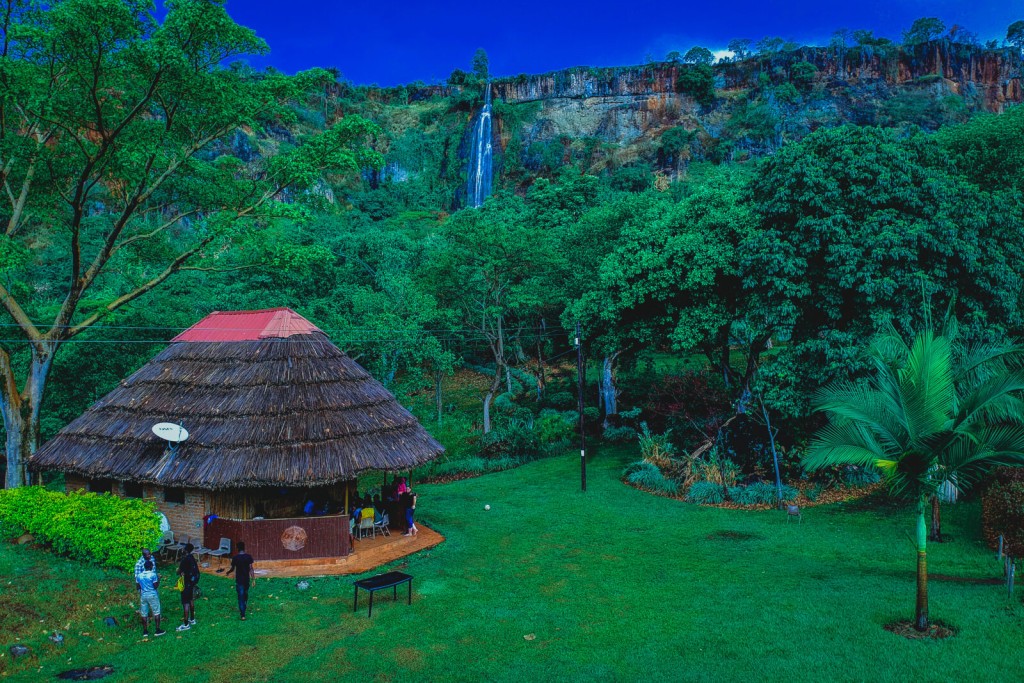
Sisiyi Falls is where people go when they want the Sipi feeling without the Sipi traffic, and day trips there pair easily with a night up on the mountain road. The fall drops down a dark cliff into a bowl of grass and trees on the Bulambuli side, with thatched shelters at the base and a short walk in from the road. It suits families, and anyone who would rather sit beside water than hike towards it. Swimming happens, though the pool is cold and the rock underfoot is slippery. Weekdays are quiet. Sundays fill up with local visitors.
Safari in Pian Upe Wildlife Reserve
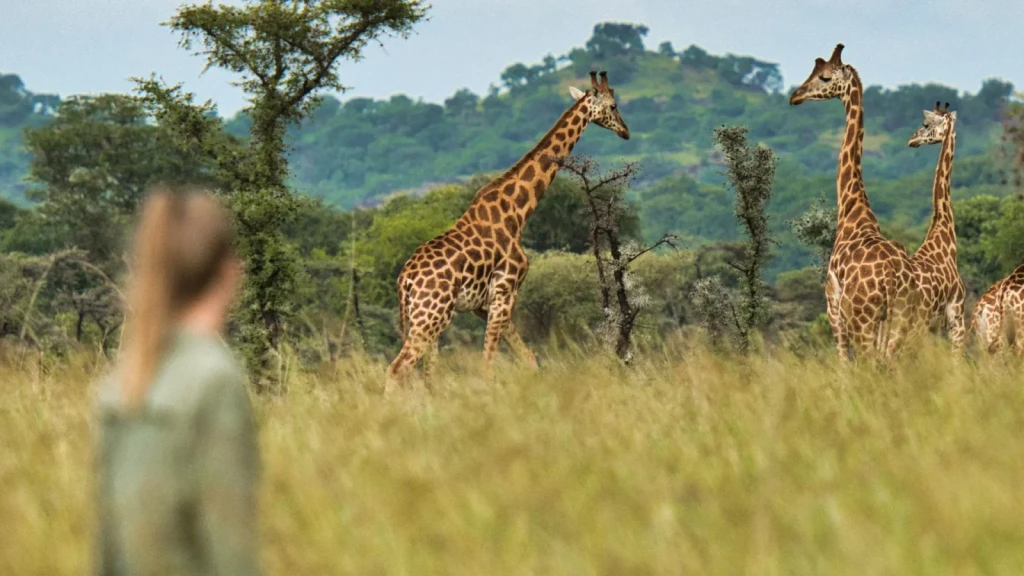
A safari in Pian Upe Wildlife Reserve is the only way to reach open savannah and plains game from Mbale, and it is the second largest protected area in Uganda after Murchison Falls. Published figures for its size disagree by hundreds of square kilometres, mostly because some sources fold in the neighbouring reserve, so we will not quote one. What is there matters more: roan antelope, which survive nowhere else in the country, plus eland, greater kudu, zebra, giraffe, ostrich and patas monkey. Cheetah are present and seldom seen. Tracks are faint to nonexistent and a 4×4 is not optional. Come for the emptiness rather than for numbers.
The Source of the Nile at Jinja

Anyone driving back towards Kampala passes Jinja, and the Source of the Nile is the natural place to break the run. Speke reached the outflow in 1862, and the granite obelisk above the bank marks the spot. The visit itself is short: gardens, the monument, then a boat out to the line where Lake Victoria stops being a lake and starts being a river. Rafting and kayaking operators work the rapids downstream. From us it is roughly two and a half hours, which makes it a last stop on the way west rather than a day trip in its own right.
Forest Trekking at the Kapkwai Centre

About 13 kilometres above Sipi, the Kapkwai Forest Exploration Centre is the trailhead for the Sipi route into the caldera, and forest trekking on its own circuits makes one of the better half days on the mountain. Three loops of roughly three to seven kilometres run through regenerating forest to caves, small waterfalls, escarpment edges and viewpoints. Monkeys are usual. Birds are the real reason to walk slowly, and the gradient is friendly compared with anything higher up. The centre sits at around 2,050 metres, so bring a layer even at midday. It suits guests who want forest and altitude without giving four days to it.
Photography Trips Around Mount Elgon

Photography trips around Mount Elgon work because the subject changes every few hundred metres of altitude. Low down it is coffee terraces, banana gardens and people at work in them. Higher up it is the escarpment, cloud pouring over the ridge lines, and the giant groundsel on the open moorland that resembles nothing else in the country. First and last light repay the early alarm, since through the middle of the day the slopes haze over and the falls sit in flat shadow. Camp on the mountain and the night sky is usually clear. Ask people before you photograph them.
Mountain Biking Adventures Around Mbale

Mountain biking adventures around Mbale use the dirt roads and footpaths above town and out towards Kapchorwa, and the riding is a good deal better than the region’s reputation for it. One well travelled run climbs from Sipi trading centre up to Chema hill in Kapchorwa, about an hour and a half of climbing and traversing with the Karamoja plains opening out below you. Loops of around fifteen kilometres are common. Bikes are hired locally rather than through us and quality varies, so check the brakes before you set off. Wet clay descents are genuinely dangerous.
Climbing Mount Kadam in Karamoja

Climbing Mount Kadam takes you north into Karamoja, where an old volcanic mass lifts out of the plains to around 3,068 metres in Nakapiripirit district. It falls inside the wider Pian Upe area, so the two combine naturally into one trip. Most parties take two days over it with Tepeth guides from the villages on its flanks, camping partway up. The route is bushy, steep in places, and the climb from the plains is long enough to make it harder than the summit height suggests. There is no infrastructure to speak of. Go with people who know the mountain.
Planning Your Eastern Uganda Trip from Mbale
Most guests arrive with three or four days and try to fit six things into them. Mountain roads are slower than the map promises. A shape that works: one day close in on Wanale or in town, one full day at Sipi covering the falls, a coffee farm and the abseil, then either a night on the mountain or one long run out to Nyero, Tororo or Pian Upe.
We keep separate route planning pages, and they are more use than any list. For the region as a whole, start with places to visit in eastern Uganda. For what sits inside an easy radius of the hotel, see places to visit near Mbale. For anything you can do and still be back for dinner, use day trips from Mbale. For everything tied to the mountain itself, there is things to do around Mount Elgon. And for the town, things to do in Mbale.
Getting here: Mbale lies 225 kilometres from Kampala on the Jinja road, four to five hours in normal traffic. You will see eight or nine hours quoted online, and it is wrong. The drier stretches run June to August and December to February. Long rains fall March to May, with shorter rains around October and November.
Mbale and Mount Elgon Questions Travellers Ask
How many days do you need for the main things? Four days covers the region without a summit trek: Wanale, a full day at Sipi with coffee and the abseil, and one long day out to Nyero or Tororo. Add four more for the caldera, since the Sasa round trip alone runs four days.
What do these activities cost, and is anything included in a room? Nothing on this page is included in a room rate. Park entry and trekking fees for Mount Elgon are set by Uganda Wildlife Authority and change from time to time, so confirm the current tariff with them or your operator rather than trusting a figure printed on any website, ours included. Guides, porters and cooks are charged separately. Abseiling, coffee tours, bike hire and the boat at Jinja are paid to the operators who run them, and site fees at Sipi and Nyero are collected locally. Carry cash; card payment is rare outside town.
How fit do you need to be to trek Mount Elgon? Fitter than for a day hike, and the first day on the Sasa route is where people find that out. Around 1,600 metres of climbing in a single push is a hard ask on legs that have not trained for it. Piswa is kinder if you can spare the days. Altitude becomes a real factor above 3,500 metres, and walking slowly is the whole technique.
What should you pack? Waterproof boots already broken in, because the clay here does not forgive new soles. A rain shell whatever the season. Proper warm layers for camp, since Elgon is the coldest mountain in the country and almost everybody underpacks for that. A dry bag for camera gear at the falls, sun cream, and small notes for tips and site fees.
When is the best time of year to come? June to August and December to February for trails and for driving. March to May brings the long rains, which turn the Sipi descents into a mudslide. October and November are wetter but workable. The falls run fullest at the end of the rains, and that is the trade off you are making.
Can you do any of this without your own vehicle? Yes, though it changes what fits into a day. Sipi is reachable by minibus towards Kapchorwa and a boda from the junction, and Tororo has both bus and rail links. Pian Upe and Mount Kadam are not realistic without a hired 4×4 and a driver. We can point you towards transport operators; we do not run vehicles ourselves.
What we provide, and what we do not. Mount Elgon Hotel and Spa is the base, not the operator. Park fees, permits, guides, porters and trekking logistics are arranged with Uganda Wildlife Authority and with whoever is running your climb, and none of it appears on your room bill. What we handle is the Mbale end: 65 rooms, three of them Executive Suites, Masaaba Restaurant, the 1950s Bar and Roots Bar, the outdoor pool and gardens, and Kwetu Spa for the day after the mountain.
Plan your stay. Tell us which of these you want to fit in and we will help you put the days in a sensible order. Call +256 709 748 009 or +256 781 392 961, email info@mountelgonhotel.com, or send your dates through the enquiry form. Mount Elgon Hotel and Spa, Plot 30 Masaba Road, Mbale.