
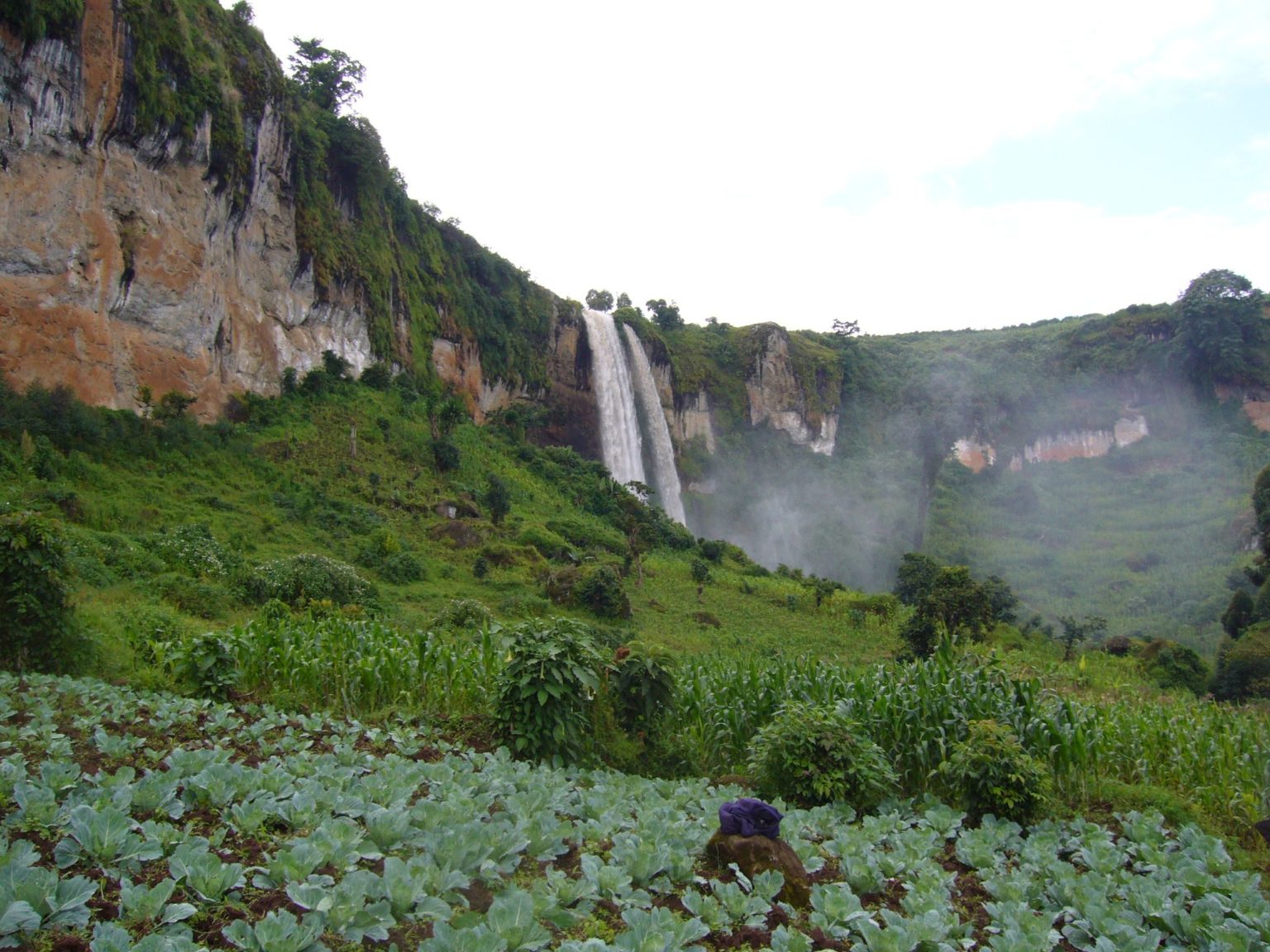
The best time to visit Sipi Falls for easier hiking is during the drier periods from December to February and June to August, while wetter months suit travellers who prefer stronger waterfall flow and do not mind muddy trails. Sipi can be visited throughout the year, and coffee, village walks and viewpoints remain available in most seasons. The falls sit on the Mount Elgon slopes in eastern Uganda, where highland weather can change within a day.
Best Time to Visit Sipi Falls for Hiking Tours
For most visitors, the best time for Sipi Falls hiking tours is when the trails are less wet. December through February and June through August usually offer longer dry spells than the main rainy periods. That makes steep sections easier underfoot and reduces the amount of mud carried from one fall to the next.
Dry does not mean rain free. Sipi sits high on the Mount Elgon slopes, and a shower can arrive when nearby lowland areas are clear. Morning is often the safest part of the day to plan the main walk because cloud can build later.
Water levels can be lower after a dry spell, but the main falls still remain the reason people visit. If the look of heavy water matters more than trail comfort, the wet seasons may suit you better.
For older travellers, families and anyone unsure on steep ground, a drier month is the easier choice.
December to February Sipi Falls Trips
December Sipi Falls trips often fall into a drier part of the year. Trails can be firmer, views across the plains may stay open for longer and outdoor plans are easier to keep. Holiday periods can bring more domestic visitors, so booking rooms early is sensible around major breaks.
January visits follow a similar pattern. Warm lowland conditions contrast with cooler Sipi air. The waterfall walk is still physical, but less mud can make the steep sections more comfortable.
February trips can still give good hiking conditions, though rain can begin to increase as the season turns. Carry a light rain layer rather than assuming the whole day will stay dry.
This period is a strong choice for travellers combining Sipi with Mount Elgon day hikes because both activities benefit from firmer trails.
March to May Sipi Falls Hiking Conditions
March hiking at Sipi Falls often begins to feel wetter as the main rains develop. Trails can become slick, vegetation grows quickly and the falls may gain volume. A guide becomes more useful on steep ground when paths are muddy.
April visits usually require the most flexible planning. Rain can interrupt a long waterfall circuit, and cloud may hide some of the wide views. The reward is stronger water flow and a greener mountain slope.
May trips remain wet in many seasons, though rainfall does not follow an exact calendar. Start early and keep coffee or a shorter community activity available if the main hike needs to move.
These months suit visitors who do not mind rain and care more about water volume than clean shoes.
June to August Sipi Falls Tours
June Sipi Falls tours often benefit from a return to drier conditions. Trails begin to firm and longer walks become easier to plan. The air remains cool compared with lower parts of eastern Uganda.
July visits are a popular choice for hiking. A dry spell can make the full circuit more comfortable, while clear breaks improve views from the escarpment. Pack a layer for cooler mornings and evenings.
August trips can also work well, though local showers remain possible. This month suits travellers who want to combine Sipi with Mount Elgon hiking, birding or an eastern Uganda road trip.
June through August is one of the easiest windows for a first visit because the weather is less likely to dominate the plan.
September to November Sipi Falls Trips
September at Sipi Falls can bring a return of wetter weather. Coffee activity may also increase on some farms in the wider Sebei region as the crop cycle moves toward harvest periods. Check directly if picking is part of the reason you are visiting.
October trips often need rain flexibility. Waterfall flow can be strong, yet muddy tracks slow the hike. Waterproof footwear is useful, but grip matters more than trying to keep shoes perfectly dry.
November visits can still be wet before the drier period settles in. The main advantage is the possibility of strong falls and fewer visitors than holiday periods.
If photography is the priority, carry protection for the camera and use breaks in cloud rather than waiting for a completely clear day.
Month by Month Sipi Falls Tour Chart
| Month | Rain | Trail | Fit |
|---|---|---|---|
| January | Lower | Firmer | Hiking |
| February | Lower | Firmer | Hiking |
| March | Rising | Mixed | Flexible |
| April | High | Muddy | Fuller falls |
| May | High | Muddy | Fuller falls |
| June | Lower | Firmer | Hiking |
| July | Lower | Firmer | Hiking |
| August | Lower | Firmer | Hiking |
| September | Rising | Mixed | Flexible |
| October | High | Muddy | Fuller falls |
| November | High | Mixed | Fuller falls |
| December | Lower | Firmer | Hiking |
The chart is a planning guide rather than a promise. Mountain rain is local. A dry season trip still needs a rain jacket, while a wet season trip can have several clear hours.
Best Time for Sipi Falls Coffee Tours
A Sipi Falls coffee tour can be done through the year because farms have work beyond picking. Visitors can learn about trees, pruning, processing, drying, roasting and brewing even when ripe cherries are not on every branch.
If you want to take part in picking, timing matters more. Uganda Coffee Development Authority profiles for producers around Sebei and Sipi show harvest activity across several months, with some farms reporting a main period from around September into the early months of the following year. Exact timing varies by altitude and farm.
Ask before travel if harvest participation is important. A guide can choose a farm with active picking or processing rather than giving a generic seasonal promise.
Rain rarely cancels a whole coffee visit because parts of the activity can happen under cover. The farm walk itself can still be muddy.
Best Time for Sipi Falls Abseiling and Adventure Tours
Sipi Falls abseiling is easier to plan in drier weather because access to the cliff and surrounding paths is more predictable. The operator still makes the final safety decision on the day.
Do not choose a month only for abseiling and assume the activity will run regardless of rain, wind or water conditions. Safety checks come first. If abseiling is a main reason for the trip, keep enough time in Sipi to move it to another part of the day if conditions change.
Drier months also suit cycling and longer walking tours around the highlands. Wet months can still work for travellers who are comfortable with mud and changing plans.
A flexible two night stay gives more room than arriving from Kampala and trying to fit every activity into one afternoon.
Sipi Falls Weather and Packing for Hiking Trips
Sipi is cooler than many lower parts of Uganda because of elevation. Mornings and evenings can feel cool, while walking uphill warms you quickly. Light layers work better than one heavy item.
For a Sipi Falls hiking trip, shoes with grip matter in every month. During wet periods, mud can make smooth soles unsafe. A walking stick from the local guide can help on steep descents.
Sun protection still matters in dry months. Cloud can hide the strength of the sun at altitude. Carry water even on cool days.
For photography, protect equipment from spray near the falls and from rain. Waterfall mist can wet a lens quickly even when the sky is clear.
Best Time for Family and Couples Trips to Sipi Falls
For a family trip to Sipi Falls, the drier months are usually easier because children spend less time balancing on muddy slopes. A family does not need to walk every waterfall. Ask the guide for a shorter route if younger children tire quickly, then use the rest of the day for coffee, viewpoints or a relaxed meal.
Couples often have more freedom on timing. Wetter months can suit a slower trip where the waterfall itself matters more than covering every trail. A two night stay lets you wait for a clearer morning instead of forcing the main hike into the first available hour.
For older travellers, trail condition is often more important than temperature. Sipi is cool enough for walking in most months, but wet ground can make descents harder on knees and ankles. June, July, August, December, January and February are the safer seasonal choices when easier footing is the priority.
School holidays and public holidays can make popular weekends busier. If quiet matters, travel during the week and start the waterfall walk early. The weather may be the same, but the trail can feel calmer.
Best Time to Visit Sipi Falls FAQ
What is the best month to visit Sipi Falls?
There is no single best month, but January, February, June, July, August and December often suit visitors who want easier hiking. Travellers who prefer stronger waterfall flow may enjoy wetter months such as April, May, October and November.
Can I visit Sipi Falls in the rainy season?
Yes. The falls can be fuller, but trails become muddier and some viewpoints may be hidden by cloud. Use a local guide and allow the walking plan to change with conditions.
Is Sipi Falls open all year?
Yes. Sipi is visited throughout the year. Weather affects trail comfort more than basic access to the area.
When is the best time for a Sipi Falls coffee tour?
Farm visits run year round. If you want to see ripe cherries or active harvest work, ask the farm about its current crop stage because timing varies across the slopes.
How much does a Sipi Falls visit cost?
There is no single entrance price covering the whole Sipi area. Guide fees, coffee tours, abseiling, transport and accommodation are separate and can vary. Confirm each item before the trip.
Should I stay in Mbale or Sipi during the wet season?
Both can work. Sipi keeps you close to the trails and lets you wait for a clear weather window. Mbale gives more city services and can be useful if Sipi is one part of a wider eastern Uganda trip.
Mount Elgon Hotel & Spa in Mbale can be used before or after a Sipi Falls trip, especially when weather flexibility, road connections and a comfortable return base matter. From Mbale, guests can plan Sipi as a full day visit or connect it with a longer Mount Elgon stay.