

Board meetings in Mbale want a quiet room with proper table seating, reliable internet, controlled access, good food service and accommodation for directors travelling in. A hotel boardroom or small conference room suits company boards, NGO trustees, association committees and executive teams that need focused discussion away from the office. We can give you one.
What Makes a Good Board Room
A board meeting is not a small conference. The room has to support discussion, not just presentation. Your directors should see each other, hear every speaker, and work from papers or laptops without facing a stage all day.
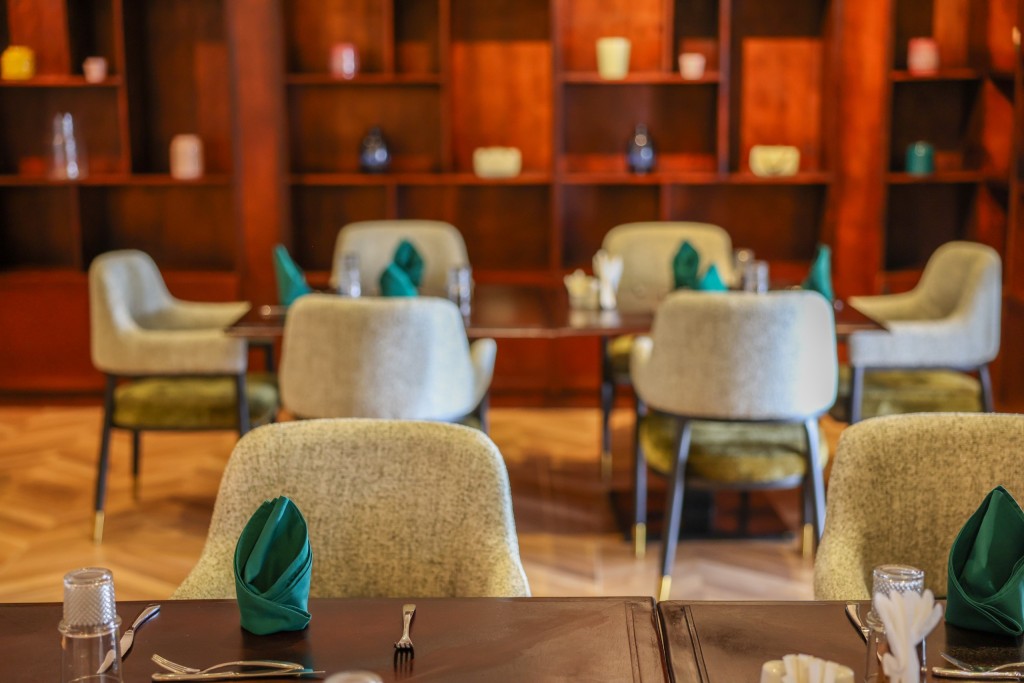
Boardroom seating is the obvious answer for most groups, but the table size matters more than people expect. Too wide and the quiet speakers are hard to hear. Too small and there is nowhere for board packs, laptops, water and notes.
Privacy is the other basic requirement. A board discusses budgets, staff matters, contracts, strategy and legal issues. Ask us what else is running nearby and whether people can walk past the room during your session — we will tell you honestly.
The best room is often a modest one that fits your group comfortably. Empty rows of chairs do not make a board meeting more professional, and we will not push you into a bigger hall than you need.
Setting the Room Up
Send us the final seating requirement before the meeting. Some boards fix seats for the chair, the secretary, the chief executive and invited presenters; others prefer open seating. If you want name plates, send us the names with enough time to lay them out.
Your board secretary needs a position with easy power access and enough working space for the minutes, the attendance record and the papers. If you are using a screen, check that no director ends up with their back to it — we will set the table to avoid that.
For a hybrid meeting, put the camera where the remote participants can see the table rather than only the chair. Test the sound from every seat. A video call fails on good internet as easily as bad if the microphone cannot pick up the room.
Privacy and Confidentiality
Your board papers stay under your organisation’s control. Do not leave confidential packs in an unlocked meeting room overnight unless you have agreed secure storage with us — and do ask, because we can arrange it.
If printed papers must be collected at the end, put it on the agenda or have your secretary remind members before they leave. Confidential waste should not go into an ordinary open bin, and we will provide for that if you tell us.
For a sensitive session, limit the interruptions. We can leave tea outside the room or serve it during a scheduled break. Staff coming in and out disturbs the discussion and makes directors less willing to speak freely.
We can support your privacy. Responsibility for the confidential material stays with your board and its officers, and we would not claim otherwise.
Technology
Most boards now use digital packs, online financial reports and remote attendance. Reliable internet matters, and so does power — your directors should not be competing for one socket halfway through the meeting. Tell us how many you need.
If you are presenting, confirm the projector or screen connection with us in advance, and carry the files offline as well. Cloud access is convenient right up until a login problem holds up the agenda.
For remote directors, test the meeting link before the start. Headphones work for one remote speaker and become awkward in a shared boardroom; a room microphone and speaker system serves a longer discussion much better.
Our technical support will be close enough to help without sitting inside a confidential meeting, unless you ask us to be there.
Meals and Breaks
Board agendas are dense. A well-timed tea break gives your directors a natural reset before the next item. Lunch is useful for informal discussion, but it should not carry decisions that belong in the minutes.
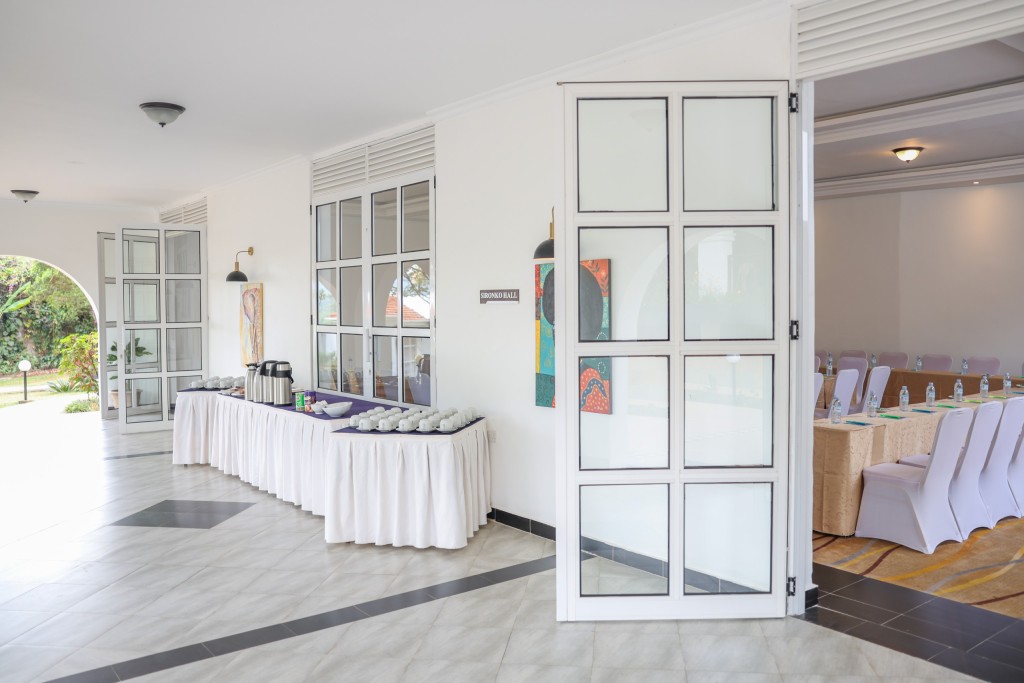
Tell us whether you want meals in the meeting room, in the restaurant or in a private dining space. Each changes your schedule — moving to the restaurant takes longer but lets us reset the room while you eat.
Collect dietary requirements beforehand and send them to us. No board member should have to explain an allergy in front of the full table.
Masaaba Restaurant handles our meeting meals, and our events team plans the tea breaks and group dining around your session timetable rather than around our service hours.
Residential Board Meetings
Some boards need more than a day. Strategy reviews, annual planning and retreat-style meetings work better when directors stay overnight and come back to the table in the morning.
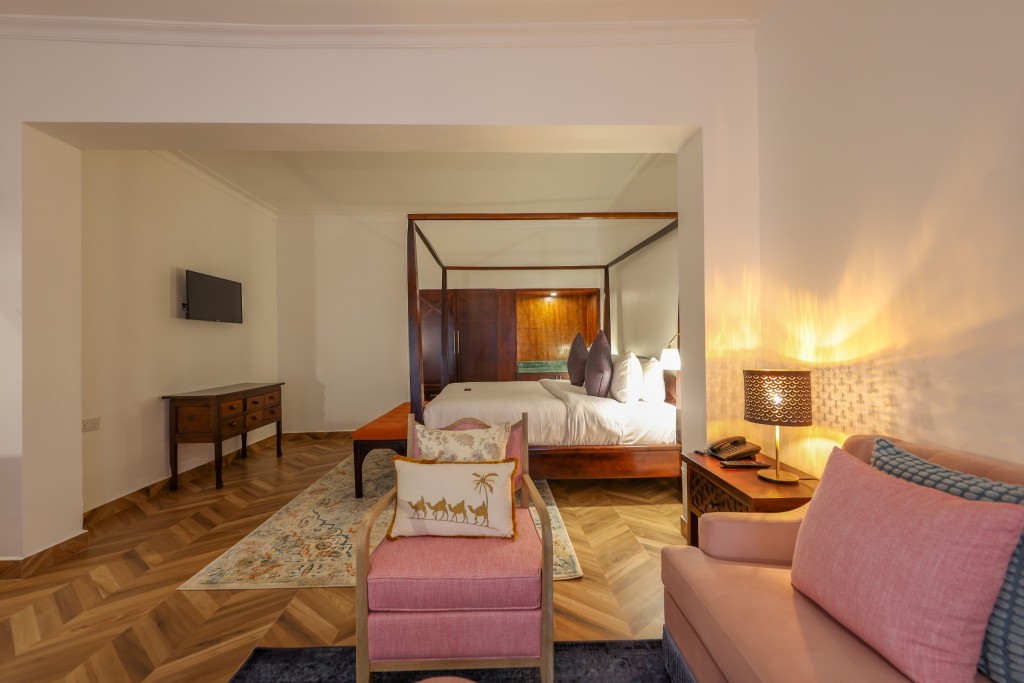
Staying over removes the evening drive and makes an early start realistic. It also creates space for a dinner conversation that is social rather than formal, which is often where the useful thinking happens.
We have guest rooms and meeting facilities on one property, which gives boards travelling from Kampala or other districts a single place for the accommodation, the meals and the formal sessions.
If your directors arrive at different times, send our reception the rooming list and the expected arrivals. Your board secretary should know who has checked in before the first formal item begins — we can confirm that for them.
Board Retreats and Strategy Sessions
A strategy session is a different animal from a statutory board meeting. It needs more wall space, flip charts, small group work and longer discussion periods, and the room has to let your directors move without losing the privacy a board expects.
Some groups add a short outing once the work is done. From here you can reach Wanale, Sipi Falls and the Mount Elgon area, and our gardens will carry a quieter evening with no travel at all.
Keep the formal governance agenda separate from the social programme. Get the minutes, resolutions and required approvals finished before anyone switches into retreat mode.
Why Meet Outside Kampala
For a board with operations in Eastern Uganda, meeting in Mbale puts your directors closer to the programmes, branches, field staff or partners they are supposed to understand. You can combine the formal meeting with a site visit and come back here afterwards.
Changing location also cuts the office interruptions. Directors away from their own desks are far less likely to step out of the room for routine work.
Travel costs time, though. Mbale makes most sense when the location supports the board’s work, when several directors are already in the region, or when the meeting is long enough to justify the journey. We would rather say that than talk you into a trip you do not need.
Holding It Here
We can arrange our meeting rooms in boardroom format and we host small executive sessions as part of our conference service. The full picture of the property is on the hotel page.
We also have guest accommodation, dining, gardens and the rest of Mbale’s services close by. For a residential board meeting, your directors stay and meet in one place.
Confirm the exact room with us for your dates and ask specifically for the boardroom setup. Do not assume a conference hall will suit a small decision group — usually it will not.
Papers, Agendas and Meeting Control
Good boardroom logistics start before anyone arrives. Your chair and secretary should agree the final agenda, mark which papers are for decision and which are for information, and settle how the documents get shared. Digital packs cut the printing, but every director still needs dependable access to the files during the meeting.
If you are using printed packs, put them at the correct seats or hand them out at registration. Do not leave sensitive papers unattended in an open room. Numbered packs make collection much easier if you want the documents returned at the end.
Agenda timing matters as much. Routine approvals should not take the same space as the financial review, risk, strategy or a major investment decision. Put the demanding items where your directors will be alert, and leave the chair enough flexibility to extend a serious discussion without wrecking the rest of the day.
We need to know when you plan to break. We do not need the confidential content of your agenda. Send us the service times, the room access and the meal needs, and keep the board papers inside your organisation.
Timing and the Secretary’s Workload
Your board secretary is usually coordinating far more than the minutes: arrival times, apologies, quorum, remote links, papers, signatures, meals and room changes all land on the same person. A venue contact who understands the schedule takes a real weight off that, and we will give you one.
Agree the room access time, start time, breaks and expected finish with us before the day. If your board habitually runs late, tell us rather than booking meal service against an unrealistic clock. Your directors should also know the planned finish before they arrange transport home.
For a two-day session, we can keep the room setup consistent overnight where possible. Leave the non-confidential stationery in place; take the sensitive papers and devices with you or put them into a secure arrangement your organisation controls.
Afterwards, your secretary should confirm which decisions need signatures, which actions need following up and which papers must be stored. Checking out of the hotel is only one part of closing a board session.
Combining a Board Meeting With a Field Visit
Boards overseeing programmes in Eastern Uganda often use us as a base for a site visit before or after the formal meeting. That is worth doing when your directors need to see a branch, a project, a partner or an operating area rather than relying on presentations.
Keep the field visit separate from the statutory agenda. A travel delay should never threaten your resolutions, approvals or quorum. If the visit is central to a decision, schedule it before the relevant discussion and leave time for people to return, regroup and think about what they saw.
Being in the city makes short regional visits practical without moving your board to a remote overnight base. Come back to the same hotel, have dinner, and carry on the next morning if the meeting runs over a day.
Board Meetings FAQ
What is the best room setup?
A boardroom table, usually, because your directors can see one another and work from papers or laptops. A smaller executive group may prefer a compact meeting room.
Can you host a board meeting?
Yes. We arrange meeting rooms in boardroom format and support small executive sessions.
How much does it cost?
It depends on the room, the meeting length, meals, equipment, accommodation and numbers. Ask us for a proposal against your actual board programme.
Can directors stay at the same venue?
Yes. That is worth doing for directors travelling from other districts, and for two-day strategy sessions.
What should a board secretary confirm with us?
Seating, privacy, internet, projection, room access time, food service, parking and the process for any overnight accommodation.
Can a board meeting include a retreat activity?
Yes — a garden dinner or an outing around Mbale after the formal business, provided the required decisions and minutes are finished first.
Book a Board Meeting With Us
Send us your meeting date, the number of directors, your preferred room setup, meal plan and accommodation needs, and our events team will confirm the right room and prepare a proposal. Call +256 709 748 009 or +256 781 392 961, or email info@mountelgonhotel.com. Mount Elgon Hotel & Spa, Plot 30 Masaba Road, Mbale.